
Pelvic Floor Physical Therapy in Durango, CO- What to expect
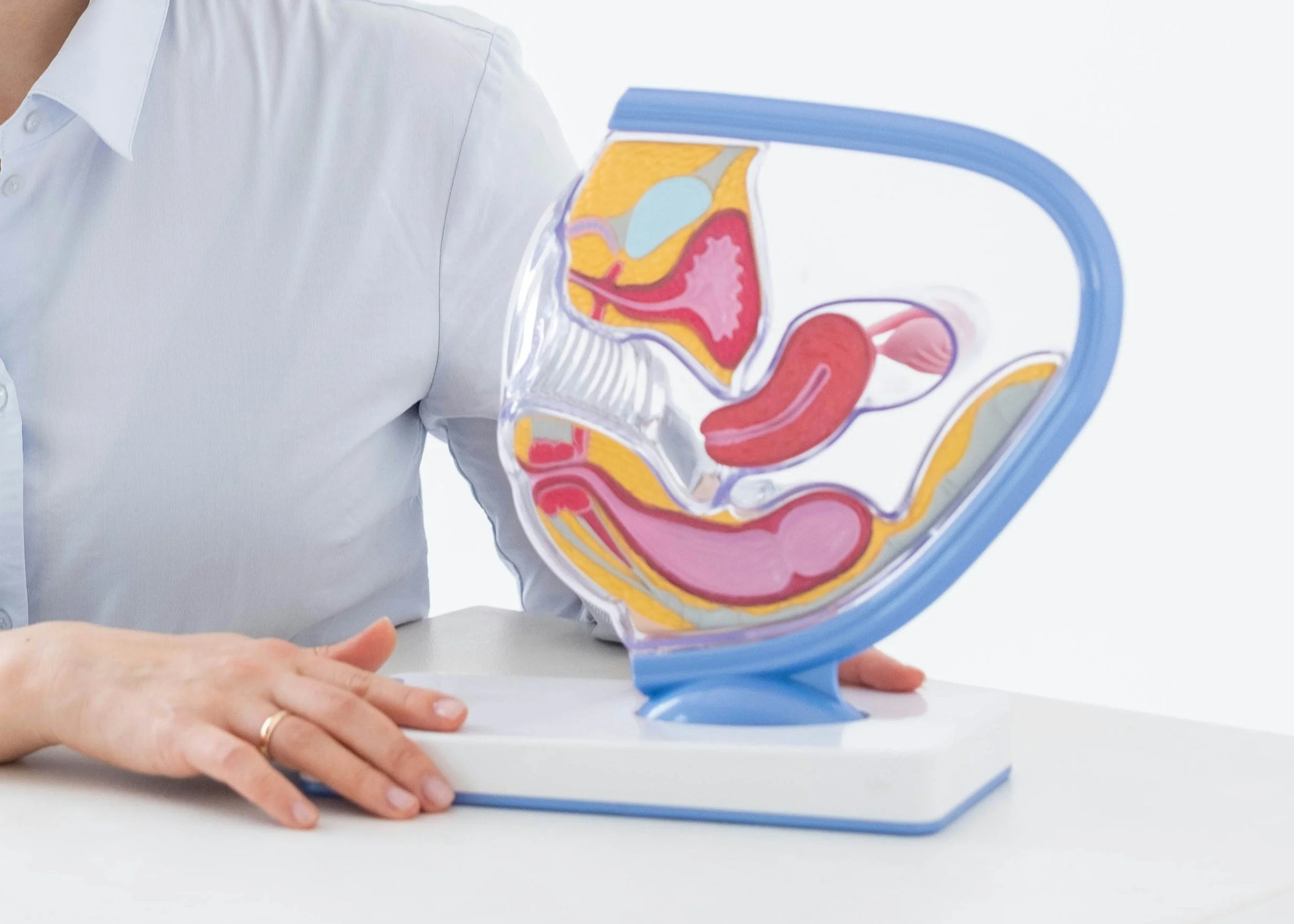
If you've ever leaked when you sneeze, felt pelvic pressure after a long hike, or been told to "just do Kegels" without much explanation, this post is for you.
Pelvic floor physical therapy is one of the most underutilized and misunderstood treatments available to women, and in Durango, where most of us are runners, hikers, mountain bikers, and generally hard on our bodies, it's more relevant than most people realize. Leaking during trail runs, pelvic heaviness after big days out, and postpartum symptoms that never quite resolved are common. They're also treatable.
Here's what pelvic floor PT actually looks like, and why it's not what most people expect.
Assessment is thorough, and it goes beyond what you might expect
Most pelvic floor evaluations elsewhere start and end with the pelvic floor itself. At Bodywise, assessment begins with how you move (i.e. how you breathe, how your hips load, how your core activates under demand). That's because the pelvic floor doesn't work in isolation. It's part of a system that includes your diaphragm, your deep abdominals, and your hip musculature. When something is off in the pelvic floor, it's almost always connected to a pattern somewhere else in the body.
External assessment of the pelvic floor, such as evaluating muscle tone, coordination, and strength through movement, breathing patterns, and surface observation gives us substantial diagnostic information about what's driving your symptoms. Combined with a detailed history and full-body movement screen, we build a clear picture of what's happening and why before we ever start treatment.
Kegels are not always the answer
This is probably the most important thing to know before you come in. A tight or overactive pelvic floor — which is more common than most people think, especially in athletes and highly active people — will get worse with Kegels, not better. Symptoms like pelvic pain, painful sex, and some types of urgency are often driven by a pelvic floor that can't relax, not one that's weak.
Treatment at Bodywise is based on what your pelvic floor is actually doing, not a generic protocol. For some patients that means strengthening. For others it means learning to release. For most it means both, in the right sequence.
What conditions respond well to pelvic floor PT
Urinary leakage with running, jumping, sneezing, or coughing
Urgency — the sudden, intense need to get to a bathroom
Pelvic heaviness or pressure, especially after activity
Pelvic pain, tailbone pain, or pain with sitting
Painful sex
Postpartum recovery — whether you're 6 weeks out or 6 years out
Perimenopause-related changes in bladder or pelvic floor function
Constipation or difficulty with bowel function
You don't have to just live with it
One of the most common things I hear from patients is that they assumed their symptoms were just part of getting older, having had kids, or being active. They're not. Pelvic floor dysfunction is treatable at any age, and the research is clear that pelvic floor PT produces meaningful, lasting outcomes for the conditions listed above.
If you're in Durango and you've been managing symptoms rather than addressing them, it's worth finding out what's actually driving them.